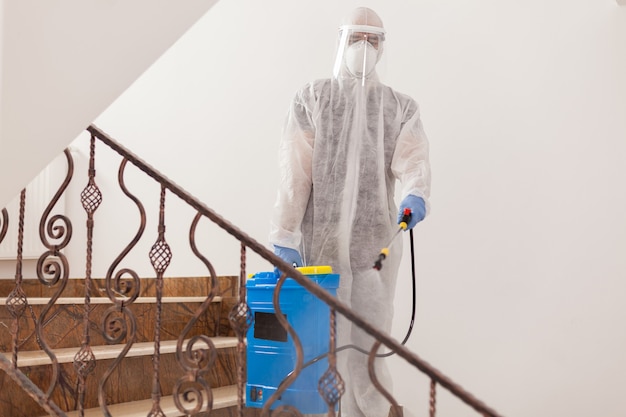
Top Mold Prevention Tips from a Trusted Expert
Mold can be a persistent and unwelcome guest in homes, affecting air quality and posing health risks. Understanding how to prevent mold growth is essential for maintaining a healthy indoor environment. Drawing on expert insights, this article outlines top mold prevention tips to help homeowners safeguard their spaces.
Understanding Mold and Its Impact
Mold thrives in damp and humid environments, making it a common issue in many households. It can cause a range of health problems, from mild allergic reactions to more serious respiratory issues. Therefore, recognizing potential sources and conditions that promote mold growth is the first step in prevention.
Common Sources of Mold
- Leaking roofs, windows, or pipes
- High humidity levels
- Condensation on surfaces
- Poor ventilation
- Flooding or water damage
Read more about this topic to understand how these sources contribute to mold growth.
Effective Mold Prevention Strategies
Control Humidity Levels
Keeping indoor humidity levels below 60% is crucial in preventing mold. Use dehumidifiers and air conditioners in humid months. Additionally, installing exhaust fans in bathrooms and kitchens can help reduce moisture buildup.
Learn more in this detailed guide on managing humidity to prevent mold.
Ensure Proper Ventilation
Adequate ventilation in areas prone to dampness, such as the kitchen, bathroom, and laundry room, is vital. Opening windows and doors regularly can enhance air flow and reduce moisture levels.
Explore further insights here on improving ventilation in your home.
Address Water Leaks Promptly
Repairing leaks in roofs, windows, and pipes is essential to prevent water accumulation. Regular maintenance checks can help identify and resolve potential issues before they contribute to mold growth.
Find additional information here on how to address and prevent water leaks.
Regular Cleaning and Maintenance
- Clean and dry any wet or damp items promptly.
- Use mold-resistant products in areas prone to dampness.
- Regularly inspect and clean HVAC systems to prevent mold spores from spreading.
Read more about this topic to understand the importance of regular cleaning in mold prevention.
When to Consult a Professional
In cases of extensive mold growth, it may be necessary to consult with a professional for remediation. Mold can sometimes be hidden behind walls or under flooring, making it challenging to address without expert assistance. Professional services can provide comprehensive solutions, including air quality testing and mold removal.
Learn more in this detailed guide on when to seek professional help for mold issues.
Conclusion
Mold prevention requires a proactive approach involving regular maintenance and monitoring of indoor conditions. By controlling humidity, ensuring proper ventilation, addressing leaks, and maintaining cleanliness, homeowners can effectively reduce the risk of mold. For persistent problems, consulting with professionals can provide the necessary expertise to address and eliminate mold, ensuring a healthier living environment.
For comprehensive insights and professional mold prevention strategies, explore further insights here.